

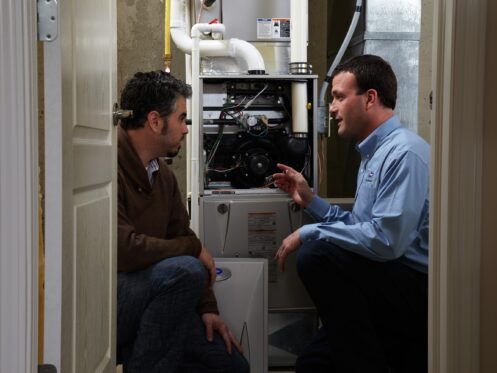
Before the winter season arrives, it’s important to prepare your Arizona home so that it can successfully endure the season. One component of your home that you don’t want to forget about is your HVAC system. We’ll share with you the necessary steps that you’ll want to take to ensure your HVAC system works well throughout the upcoming winter season.
Get Professional Service
One of the first things that you’ll want to do is schedule professional maintenance service for your heating system. This will help to detect any potential problems that your system may have while they’re smaller and much cheaper to fix. This way, you have adequate time to repair them before you need to rely on your heating system each day. Additionally, annual service is typically a requirement to maintain the warranty coverage on your system. A professional maintenance plan is a great way to be sure you keep up while getting discounts in case any repairs are needed.
Stock Up on Air Filters
The air filter in your heating system can affect the system’s overall operating efficiency. When the filter reaches the end of its lifespan, it will be full of debris. This will restrict the airflow throughout your ducting and cause inefficient system operation. You should ensure that you have extra air filters on hand and check your filter at least once a month to see if it needs to be replaced.
Test Smoke and Carbon Monoxide Detectors
Your home should have smoke detectors to alert you if there’s a fire hazard in your home. If you have a forced-air heating system, you’ll also need well-functioning carbon monoxide detectors to ensure that you’re alerted if toxic carbon monoxide from your furnace starts to back up inside your home. Be sure to put new batteries in all your detectors and push their test buttons to ensure that they’re working correctly.
Get Your Chimney Swept
If your heating system uses a furnace to disperse the toxic fumes that it creates, then you need to consider getting chimney sweeping service. This will work to remove creosote and soot from the inside of your chimney that could otherwise build up and increase your risk of experiencing a fire or having reduced ventilation for your heating system.
Program Your Thermostat
It’s best to program your thermostat at the beginning of the winter season to ensure that you optimize your system’s energy efficiency. Both programmable and smart thermostats can allow you to program in various temperature settings. Some newer smart thermostats can even offer you suggestions on how to alter your thermostat settings to enjoy even more energy-efficient system operation.
Check Your Air Vents
The air vents for your forced-air heating system need to remain in the open position. Closing just one vent can affect the pressure inside your ducting and reduce the overall operating efficiency of your heating system. Take a few moments to walk around your home and check each vent to ensure it’s in the open position. Furthermore, make sure that each vent is free from obstructions that would otherwise restrict the flow of air in or out of the vent.
Examine Your Fire Extinguishers
You should have a working fire extinguisher near your heating system so that you can react quickly if a fire breaks out. HVAC systems are known to produce electrical fires, which are known as Type C fires. This requires you to have a Type C or Type ABC fire extinguisher that can put out the fire successfully. Check to ensure you have an appropriately rated fire extinguisher and ensure that it hasn’t expired.
Seal Up Air Leaks
One of the biggest combatants of your heating system is cold outdoor air. When you allow this air to seep into your home through your exterior walls, it can leave your heating system running non-stop to get your home back up to temperature. A great way to increase the efficiency of your heating system is to seal up those air leaks. Feel for air leaks on your exterior walls and seal them up with weatherstripping, caulking, or foam insert pads. The less cold air that makes its way inside your home, the less your heating system will have to run to maintain a comfortable indoor temperature.
Inspect Your Insulation
The insulation in your attic makes a world of difference in how your heating system operates. When you have insulation that meets or exceeds the local building code’s recommended R-value, you can ensure that more of your heat remains indoors. If your home lacks insulation or your insulation has a low R-value, it can allow your home’s hot air to escape through your attic and lead to higher home heating costs. It’s best to check the state of your insulation and upgrade when necessary.
Examine Attic Vents
The vents in your attic play a very important role in the overall state of your roofing materials. During the wintertime, some of the heat produced by your heating system is inevitably going to rise through your insulation and enter your attic. If the air vents are closed, this heat will get trapped and end up overheating the underside of your roofing materials.
This will lead to premature deterioration. To avoid this problem, simply ensure your attic vents are left in the open position. If you’re worried about wintertime pests, you can use a mesh fencing material to prevent their entry while still allowing for adequate airflow.
Order Fuel
If your heating system uses propane or heating oil, then you’ll have a tank to store your fuel. It’s best to get that tanked refilled in the fall so that it’s ready to go for the upcoming winter season. Remember to get fuel before your system gets serviced so that your HVAC professional will have adequate fuel to test-run your system.
Reverse Ceiling Fans
Ceiling fans create a great addition to any home heating system. Be sure to switch your fans to operating in reverse, which allows them to spin clockwise. This will help to recirculate hot air stuck at the top of your ceilings back down to the floor to keep you and your family comfortable. This will go a long way in reducing your energy bills as ceiling fans are much less expensive to run than your heating system.
Consider Getting a Whole-Home Humidification System
Arizona’s dry air can make it more challenging for your heating system to make your home feel comfortable. Heat doesn’t sustain well in dry air. However, if you invest in a whole-home humidification system, you can introduce more moisture into the air. Humid air retains heat much better than dry air. By optimizing the humidity level inside your home, you can make it feel more comfortable without having to turn on the thermostat for your heating system, while improving your indoor air quality.
Expert HVAC Maintenance Service
CAM Air offers expert cooling and heating maintenance service to the Mesa, AZ area. We can assist with all your heating, air conditioning, refrigeration, indoor air quality, heat pump, commercial, ductless, and water heater needs. Phone us today to schedule a service appointment with one of our trustworthy HVAC professionals.


